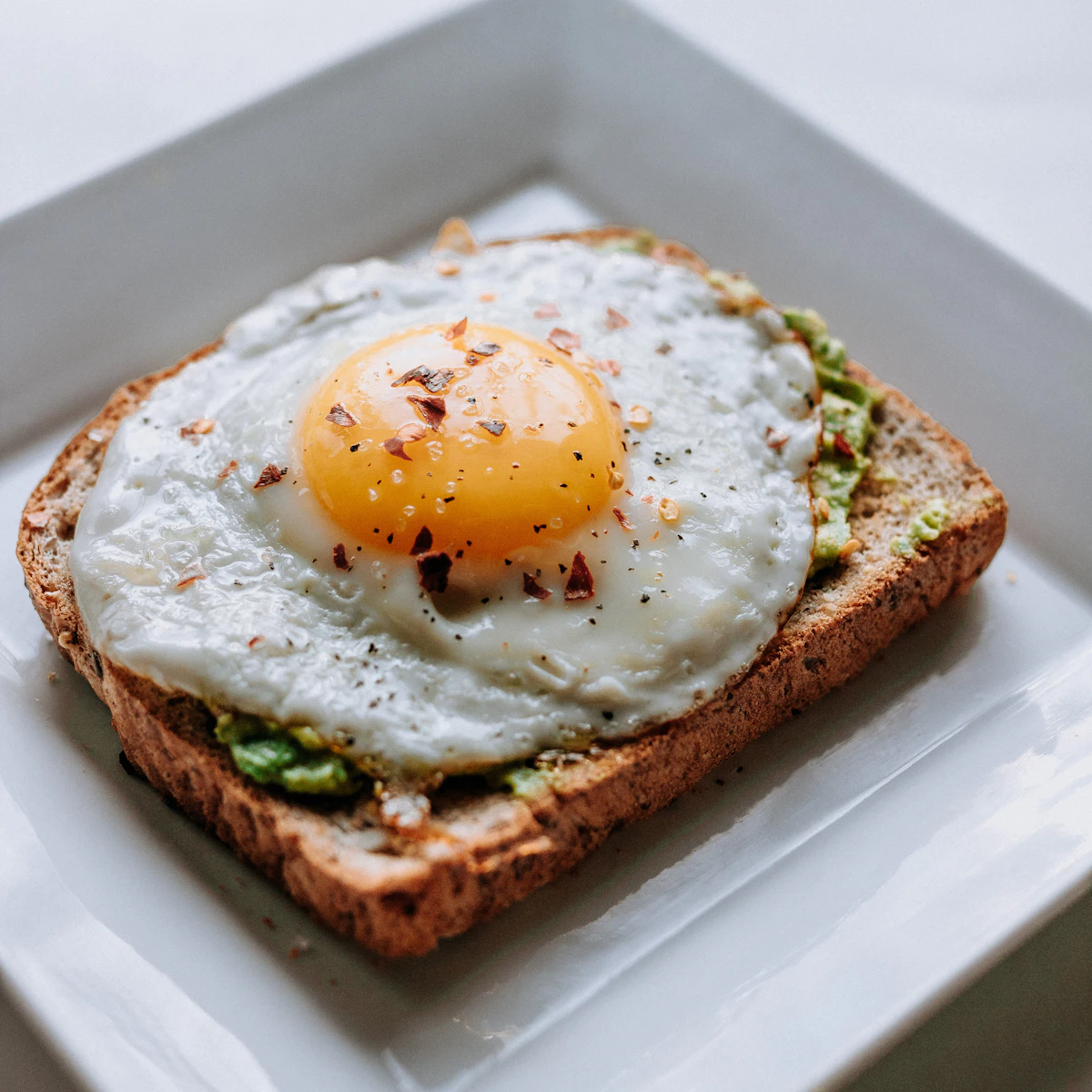
Cheap Breakfast Ideas: Practical Budget Food Guide for Everyday Meals
Cheap Breakfast Ideas can help you eat better without turning every meal into a complicated money-saving project. A useful budget food habit starts with simple ingredients, flexible recipes, and a clear plan before you shop. When meals are planned around staples, you can reduce waste, avoid expensive last-minute choices, and still enjoy food that tastes fresh. This guide is written for people who need affordable everyday meal ideas and focuses on practical steps rather than extreme restrictions. The goal is to spend less, cook more confidently, and build meals that fit real schedules. You can also plan your next meal using affordable healthy meals when building a practical budget food plan.
The main challenge is choosing meals that are either cheap but dull or tasty but expensive. Budget cooking becomes easier when you stop thinking of every meal as a separate recipe. Instead, think in building blocks: a base, a protein, vegetables, flavour, and a small finishing touch. A base might be rice, pasta, oats, potatoes, tortillas, bread, or noodles. Protein might be eggs, beans, chicken, tuna, lentils, tofu, yogurt, or leftovers. Vegetables can be fresh, frozen, or canned. Flavour can come from garlic, onion, chilli, soy sauce, lemon, herbs, curry powder, salsa, or tomato sauce.
Start With a Budget-Friendly Meal Formula
A simple formula for cheap breakfast ideas is one affordable staple, one protein source, one vegetable, and one sauce or seasoning. This formula prevents meals from becoming random. Rice plus eggs plus frozen peas plus soy sauce becomes quick fried rice. Pasta plus lentils plus canned tomatoes plus Italian herbs becomes a filling dinner. Oats plus banana plus peanut butter plus cinnamon becomes a cheap breakfast. When you repeat the formula with different flavours, the food stays affordable without feeling identical every day. For more low-cost meal planning, see the related guide to budget cooking tips, and plan your next meal using budget vegetarian meals.
This formula also helps you shop with intention. Instead of buying ingredients because they look good in the store, choose ingredients that can appear in more than one meal. Cabbage can become slaw, stir-fry, soup, or taco topping. Eggs can become breakfast, fried rice, wraps, or simple dinners. Beans can become chilli, soup, salad bowls, or mashed toast topping. The more flexible an ingredient is, the more value it brings to a budget kitchen.
Build a Low-Cost Grocery List
A strong grocery list is the foundation of Cheap Breakfast Ideas. Start by checking what you already have. Then choose three or four main meals for the week and identify overlapping ingredients. Useful budget staples include eggs, oats, rice, potatoes, pasta, beans, canned fish, cabbage, carrots, and yogurt. You do not need all of them every week. The best list is short enough to use and flexible enough to create several meals. You can also build your weekly menu with budget rice recipes when building a practical budget food plan.
A budget list should create options, not pressure. If one recipe changes, the ingredients should still be usable. Canned tomatoes can support pasta sauce, soup, chilli, shakshuka, or rice dishes. Frozen vegetables can go into noodles, omelettes, casseroles, fried rice, or soups. A budget kitchen works best when ingredients are not trapped inside one recipe.
Plan Meals Around What You Will Actually Eat
Budget food fails when the plan looks good on paper but does not match real life. If you hate lentils, do not build the whole week around lentils. If you are tired after work, avoid recipes that require many pans and long prep. If mornings are rushed, choose breakfasts that can be made in five minutes or prepared ahead. The best budget meals are affordable and repeatable. They should fit your appetite, schedule, cooking skill, and storage space. For more low-cost meal planning, build your weekly menu with cheap weeknight dinners, and plan your next meal using budget one pot meals.
A helpful method is to choose five dependable meals: one breakfast, one lunch, one one-pot dinner, one quick emergency meal, and one leftover meal. Once those meals become easy, add more variety. Beginners often fail because they try to learn ten new recipes in one week. A better strategy is to master a few meals and change the flavour.
Use Leftovers Without Getting Bored
Leftovers save money only when you actually want to eat them. The trick is to store ingredients separately when possible. Keep rice, protein, vegetables, and sauce in separate containers, then combine them in different ways. Yesterday’s roasted chicken can become soup, tacos, fried rice, pasta, or salad. Cooked potatoes can become breakfast hash, wedges, soup thickener, or a side dish. Beans can become chilli, wraps, bowls, or mashed filling. You can also pair this idea with budget air fryer meals when building a practical budget food plan.
Another useful habit is the planned leftover. Cook slightly more of an ingredient that is easy to reuse. Make extra rice, extra soup, extra roasted vegetables, or extra chicken. Do not cook extra of everything, because that can create waste. Choose one reusable component and give it a second job. This method lowers cooking effort later in the week.
Cheap Meals That Still Feel Satisfying
Satisfying budget meals usually include texture, flavour, and enough protein or fibre. A bowl of plain rice may be cheap but not very exciting. Add eggs, cabbage, carrots, soy sauce, garlic, and chilli, and it becomes dinner. A basic potato can become a filling meal with beans, yogurt, salsa, cheese, or sautéed vegetables. Pasta can feel more complete with lentils, tuna, spinach, or a simple tomato sauce. The goal is not fancy cooking; it is balanced comfort. For more low-cost meal planning, use this alongside budget meals, and build your weekly menu with budget recipes for beginners.
Flavour boosters make a major difference. Keep a small set of affordable flavour tools such as salt, pepper, garlic powder, chilli flakes, curry powder, soy sauce, vinegar, lemon juice, mustard, hot sauce, or dried herbs. A low-cost meal can taste completely different when the seasoning changes.
How to Reduce Food Waste
Food waste is one of the hidden costs in many kitchens. To reduce it, shop your kitchen first, store ingredients properly, and plan meals around items that need to be used soon. Keep a small use-first area in your fridge. Freeze bread before it goes stale. Chop and freeze herbs in small portions. Turn soft fruit into smoothies, oats, or baked snacks. Every ingredient used well stretches the budget further. You can also use this alongside budget meal prep when building a practical budget food plan.
Another waste-reducing habit is flexible cooking. If a recipe calls for spinach but you have cabbage, use cabbage. If it calls for chicken but you have beans, adjust the seasoning. If it calls for fresh tomatoes but canned tomatoes are cheaper, use canned. Budget cooking improves when you learn substitutions.
Budget Cooking for Busy Days
Busy days need emergency meals. Keep two or three low-cost options that can be ready quickly. Examples include egg fried rice, tuna pasta, bean quesadillas, vegetable noodles, baked potatoes, peanut butter oats, soup with toast, or rice bowls with leftovers. Emergency meals prevent expensive takeout when energy is low. They should use ingredients you usually keep at home and require minimal chopping or cleanup. You can also pair this idea with budget soup recipes when building a practical budget food plan.
For even easier cooking, prepare one base at the start of the week. Cook rice, chop vegetables, make soup, or boil eggs. You do not need a full meal prep day. Even twenty minutes of preparation can make the week cheaper. When food is ready, you are less likely to buy convenience meals.
Common Mistakes to Avoid
The first mistake is buying too many specialty products before mastering basic meals. The second is ignoring leftovers. The third is shopping without a list. The fourth is choosing recipes with too many single-use ingredients. The fifth is forgetting snacks and then buying expensive convenience food. The sixth is cooking meals that are cheap but not satisfying. Budget food should not feel like punishment. It should feel practical, calm, and repeatable.
Another mistake is comparing your grocery budget to someone with a different household size, location, dietary need, or schedule. Prices vary. Appetites vary. Cooking time varies. Use other meal plans as inspiration, not as strict rules. The best budget system is the one you can actually follow.
Simple 7-Day Budget Eats Plan
Day one: cook a rice bowl with eggs, vegetables, and sauce. Day two: make pasta with canned tomatoes and lentils. Day three: prepare oats with banana and peanut butter. Day four: use leftovers in wraps or quesadillas. Day five: make soup with vegetables, beans, or chicken. Day six: cook a potato-based meal with toppings. Day seven: review leftovers and create a clean-out-the-fridge dinner. This plan is flexible enough for different budgets and easy to adjust.
The weekly review is important. Ask which meals were cheap, which were filling, which created leftovers, and which ingredients were wasted. Keep meals that worked and remove meals that felt stressful. Budget cooking improves through repetition. You do not need a perfect plan. You need a plan you can improve every week.
Final Thoughts
Cheap Breakfast Ideas is about using money, time, and ingredients with more intention. Start with simple formulas, buy flexible staples, reuse leftovers, and build a short list of meals you enjoy. Focus on simple meals that still taste good and avoid making the process too complicated. When budget cooking becomes normal, it can reduce stress, support better daily choices, and make home meals feel more rewarding.
Find More Practical Ideas for Everyday Living
If you want more simple digital resources, lifestyle ideas, and practical picks that may support your daily routine, visit Artsina. Use it as a starting point for finding tools and ideas that fit your own goals, budget, and lifestyle.
Comments
No comments yet. Be the first to share your thoughts.